
 by
by 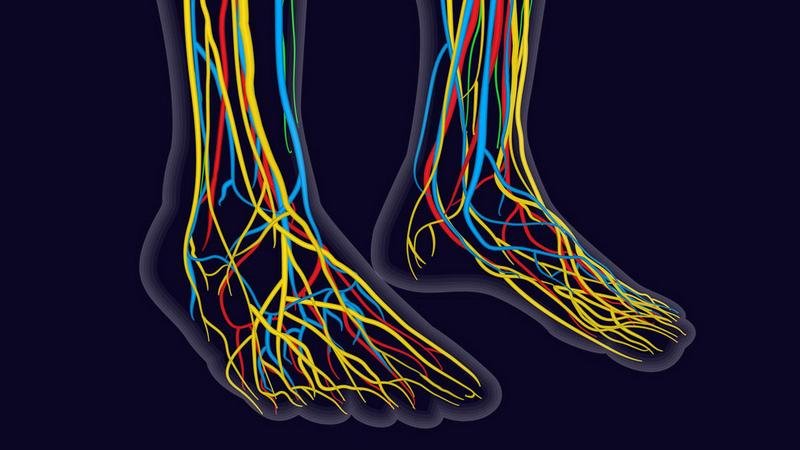
🧬 What Is Charcot-Marie-Tooth Disease (CMT)?
Charcot-Marie-Tooth disease (CMT) is a hereditary neurological disorder that affects the peripheral nerves — the nerves responsible for sending signals between the brain, spinal cord, and muscles.
This condition leads to muscle weakness, balance problems, and loss of sensation in the legs, feet, arms, and hands.
CMT is named after the three doctors who first described it in 1886 — Jean-Martin Charcot, Pierre Marie, and Howard Henry Tooth.
⚠️ Common Symptoms of CMT
The symptoms of CMT can vary depending on the type and severity, but the most common include:
Weakness in the legs, ankles, and feet
High foot arches or flat feet
Hammertoes (curled toes)
Balance and coordination issues
Numbness or tingling in hands and feet
Difficulty walking or frequent tripping
Muscle wasting in lower legs and hands
Symptoms usually start in childhood or early adulthood and progress slowly over time.
🧫 Causes and Risk Factors
Charcot-Marie-Tooth disease is caused by genetic mutations that affect the structure and function of peripheral nerves.
It is often inherited from one or both parents, meaning if a parent has the gene mutation, there’s a high chance the child may also develop the condition.
CMT is categorized into several types (CMT1, CMT2, CMTX, etc.) based on the specific gene mutation and how it affects the nerves.
🧪 Diagnosis of CMT
Doctors typically use the following methods to diagnose Charcot-Marie-Tooth disease:
Physical and Neurological Exam – Checking muscle strength, reflexes, and sensation.
Nerve Conduction Studies (NCS) – Measuring how well electrical signals travel through nerves.
Electromyography (EMG) – Evaluating muscle response to electrical activity.
Genetic Testing – Identifying specific mutations causing CMT.
Family History Review – Understanding hereditary patterns.
💊 Treatment Options (2026 Update)
Currently, there’s no permanent cure for Charcot-Marie-Tooth disease. However, various treatments help manage symptoms and improve quality of life:
🏋️ Physical Therapy: Strengthens muscles and maintains mobility.
🦶 Orthopedic Devices: Braces, orthotic shoes, or custom insoles help with walking.
💊 Medications: Used to manage nerve pain and discomfort.
🧠 Occupational Therapy: Helps with hand and daily activity functions.
🧬 Gene Therapy & Research: New treatments in 2026 show promise in targeting the root genetic causes of CMT.
With early diagnosis and proper care, most people with CMT can lead independent and active lives.
💡 Living With Charcot-Marie-Tooth Disease
Living with CMT requires ongoing management, but lifestyle choices can make a big difference:
Maintain a balanced diet and healthy weight
Avoid alcohol and smoking, which can worsen nerve damage
Do low-impact exercises like swimming or cycling
Get regular checkups with neurologists and physiotherapists
Support groups and online communities can also help individuals and families cope emotionally and share valuable insights.
🩺 When to See a Doctor
If you experience unexplained muscle weakness, frequent tripping, or changes in foot shape, consult a neurologist.
Early detection helps slow progression and manage symptoms effectively.
🧠 Conclusion
Charcot-Marie-Tooth disease may be rare, but awareness and early care can significantly improve outcomes.
Ongoing research in gene therapy and regenerative medicine offers new hope for better treatments — possibly even a cure in the near future.
Stay informed, seek support, and prioritize regular medical care to live fully with CMT.